
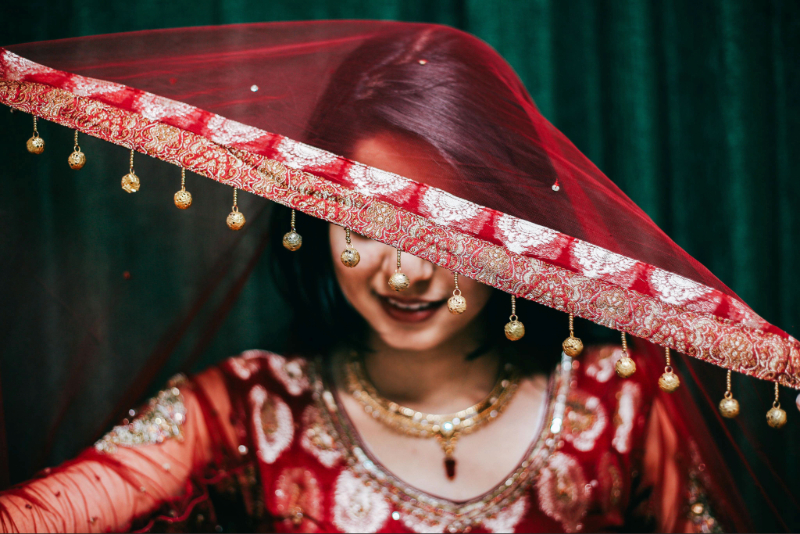
A Pakistani wedding is rarely limited to a single ceremony. It is a series of celebrations where every event has its own purpose, bringing together faith, family, and long-standing customs. Although traditions vary across regions and communities, the overall journey from the first celebration to the final reception follows a familiar rhythm that has been preserved for generations.
Many modern couples personalize their weddings with contemporary décor and entertainment, yet the essence of Pakistani wedding traditions remains unchanged. Respect for elders, meaningful religious ceremonies, and generous hospitality continue to define every traditional Pakistani wedding, whether it is celebrated in Pakistan or abroad.
Unlike many weddings that take place over a single day, a Pakistani celebration unfolds through several events. Each one marks a different stage of the marriage and gives both families time to celebrate together before and after the Nikah.
A traditional celebration usually includes:
Together, these Pakistani wedding ceremony traditions create an experience that values family connections as much as the marriage itself.
The excitement begins days before the wedding.
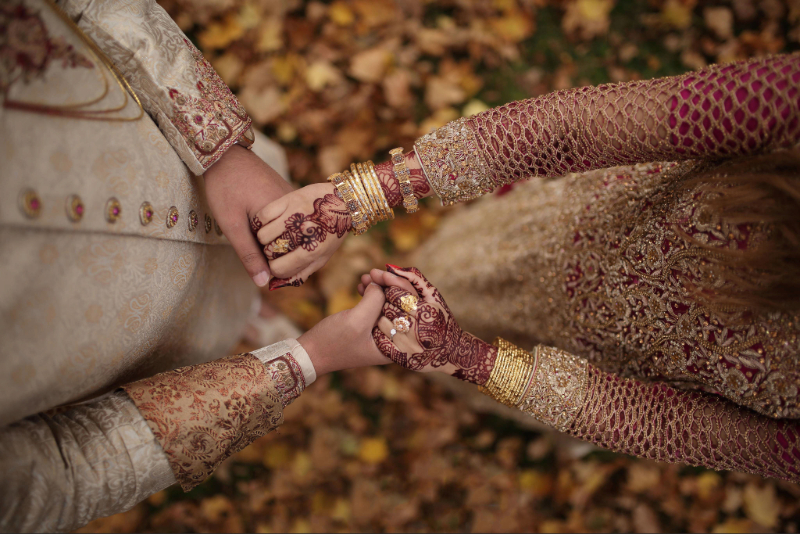
The Dholki is an informal gathering where relatives sing, clap, and celebrate with traditional music. The Mehndi ceremony follows with vibrant decorations, floral jewelry, and henna designs that symbolize happiness and good fortune. Before these celebrations, many brides observe Mayun, a tradition that allows time for beauty preparations and quiet family moments before the wedding.
These early events are among the most recognizable Pakistani Muslim wedding traditions, combining cultural celebrations with family traditions that have been passed from one generation to the next.
Each wedding-day event has a distinct role.
The Baraat marks the groom’s arrival with his family and guests. The Nikah is the official Islamic marriage ceremony, where the marriage contract is signed in the presence of witnesses. Afterward, the Walima welcomes relatives and friends to celebrate the newly married couple.
A traditional Pakistani wedding is built around the Nikah, the most important part of the celebration. Before the ceremony begins, families gather to welcome guests and offer prayers for the couple.
During the Nikah, the bride and groom formally accept the marriage, witnesses confirm the contract, and prayers are recited. Once the ceremony is complete, families congratulate the couple before the celebration continues with photographs, dining, and music.
While customs may differ between regions, the balance between religious values and family celebration remains at the heart of every Pakistani wedding.

The religious ceremony is what distinguishes a Pakistani wedding from many other cultural celebrations. Most Pakistani Muslim wedding traditions are based on Islamic teachings while allowing room for local customs that do not conflict with religious principles.
Important elements often include:
These traditions give the ceremony its spiritual significance while allowing each family to celebrate according to its own cultural heritage.
The celebrations do not end after the reception. In many families, the first evening together is marked by simple customs that symbolize the beginning of married life. These Pakistani wedding night traditions vary by region, but they are generally private family moments rather than public ceremonies.
One tradition that may be seen in some households is serving a glass of milk to the newlyweds. While Pakistani wedding traditions milk is often mentioned online, it is a cultural custom observed by some families rather than a religious requirement. It is simply viewed as a gesture of warmth, hospitality, and good wishes for the couple.
Wedding attire reflects both elegance and cultural identity. Brides often wear richly embroidered Pakistani wedding dresses in red, maroon, or gold, although modern ivory and pastel designs have also become popular. Depending on personal style, they may choose traditional Pakistani wedding gowns, a heavily embellished lehenga, or a graceful Pakistani wedding frock dress.
Grooms usually wear a sherwani, making the Pakistani traditional wedding dress for men one of the most recognizable outfits at South Asian weddings. Some also choose tailored suits for the reception while keeping traditional clothing for the Nikah.
Sharing a generous meal is an essential part of every Pakistani wedding. Guests are welcomed with carefully prepared dishes that reflect the importance of hospitality in Pakistani culture.
Traditional menus often include:
This traditional Pakistani wedding food is served to bring families together and ensure every guest feels welcomed throughout the celebration.
Music brings energy to every celebration long before the wedding day arrives. During Mehndi and Dholki events, families sing traditional Pakistani wedding songs, perform choreographed dances, and encourage guests of all ages to join the festivities.
While the Nikah itself remains respectful and religious, music becomes an important part of the celebrations before and after the ceremony, creating unforgettable memories for both families.
Gift-giving is another meaningful custom. Many Pakistani wedding traditions gifts include gold jewelry, money, decorative items, or practical presents that help the couple begin married life.
Families also exchange gifts as a sign of appreciation and to strengthen the relationship between both households, making generosity an important part of the celebration.
Planning a Pakistani wedding abroad means coordinating multiple ceremonies, cultural traditions, large guest lists, and trusted vendors. An experienced planner helps ensure every detail runs smoothly while respecting the customs that matter most to the couple.
At Wedding in Istanbul, we work closely with international couples to create celebrations that reflect their traditions without adding unnecessary stress. Whether you want a seaside Nikah, a luxury ballroom reception, or a multi-day wedding experience, our team can coordinate venues, décor, catering, entertainment, and guest logistics while preserving the cultural identity of your celebration.
Most celebrations last between three and five days, including pre-wedding events, the Nikah, Baraat, and Walima. Some families choose shorter or longer celebrations depending on their traditions.
The Nikah is the Islamic marriage ceremony where the marriage becomes official. Baraat is the groom’s formal arrival with his family, while Walima is the reception hosted after the marriage to celebrate with relatives and friends.
Yes. Wedding in Istanbul has experience planning multicultural celebrations and can organize a Pakistani Muslim wedding with respect for religious customs, traditional ceremonies, and personalized cultural details, while helping couples enjoy a seamless destination wedding experience in Turkey.
Leave a Comment