

An Iranian wedding is more than a celebration—it is a reflection of family, culture, and centuries-old traditions. While every couple plans the day differently, many Iranian wedding traditions remain at the heart of the ceremony. From symbolic rituals to generous hospitality, each detail is designed to wish the newlyweds a happy and prosperous future.
Today, many couples blend classic customs with modern wedding styles. Whether the celebration takes place in Iran or abroad, the traditions continue to connect families and preserve Persian heritage. If you’re planning or attending one of these celebrations, understanding the customs makes the experience even more meaningful.
An Iranian traditional wedding is known for its symbolic ceremonies, elegant wedding decoration, and strong focus on family involvement. Unlike many Western weddings, several rituals represent love, abundance, and a successful marriage rather than serving only as formal traditions.
Some of the most recognizable features include:
Although every family celebrates differently, these shared Iranian wedding customs have been passed down for generations and continue to play an important role in modern Iranian weddings.
Many Iranian wedding customs begin well before the wedding day. Families traditionally meet to celebrate the engagement, discuss preparations, and organize the ceremonial items used during the marriage.
Common pre-wedding traditions include:
These preparations strengthen family bonds while building excitement for the celebration.
Every ritual has a purpose. Many Iranian wedding traditions symbolize a happy marriage, mutual respect, and good fortune. Rather than focusing only on the ceremony itself, each custom reflects the couple’s hopes for their future together.
A traditional Iranian wedding ceremony combines legal marriage with meaningful cultural rituals that have been preserved for centuries. Family members actively participate, making the ceremony both emotional and deeply personal.
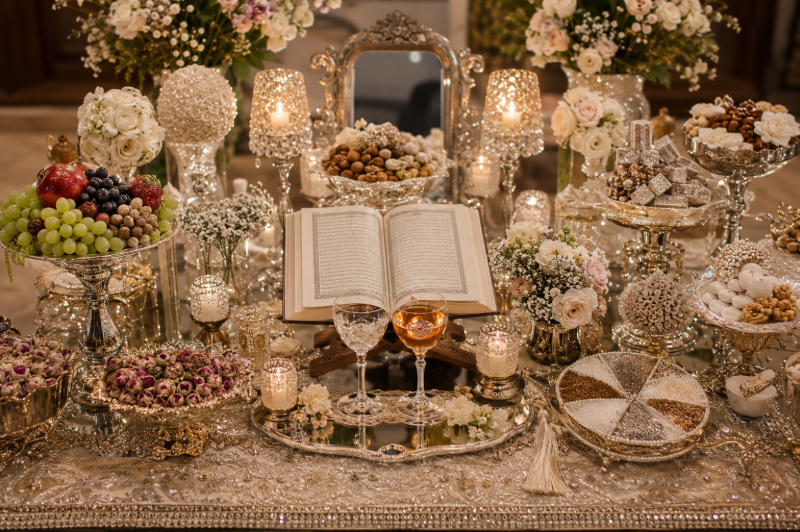
The Sofreh Aghd is the centerpiece of an Iranian wedding. It is decorated with carefully chosen items that symbolize love, fertility, health, and abundance.
One of the ceremony’s best-known moments is the Iranian sugar wedding ceremony. Female relatives gently grind two sugar cones above a cloth held over the bride and groom, symbolizing a sweet and joyful life together.
Many visitors wonder, do Iranians wear wedding rings? Yes. Wedding rings are exchanged during the ceremony as a symbol of lifelong commitment, just as they are in many cultures.
Along with exchanging vows, couples often share honey as their first taste together as husband and wife, marking the beginning of a sweet married life. These symbolic rituals continue to make every Iranian wedding both meaningful and unforgettable.
Bridal fashion is one of the highlights of an Iranian wedding. While modern styles are popular, many couples also include traditional details that reflect their heritage.
An elegant Iranian wedding dress often features fine embroidery, lace, or hand-crafted embellishments. Some brides choose classic white gowns, while others wear designs inspired by Persian art. Modern Iranian wedding dresses successfully combine timeless elegance with contemporary fashion.
Grooms typically wear a tailored suit or tuxedo, creating a refined look that complements the ceremony.
An Iranian Muslim wedding follows Islamic marriage principles while preserving many Persian cultural traditions. Religious customs, family blessings, and cultural rituals often take place together, allowing couples to celebrate both their faith and their heritage.
Depending on family preferences, ceremonies may be simple or elaborate, but respect, family unity, and hospitality remain central to every celebration.
Food is one of the most memorable parts of Iranian weddings. Guests are welcomed with generous hospitality, and the menu often features traditional Persian dishes prepared for large family gatherings.
A typical celebration may include:
The Iranian wedding cake is usually presented before the evening celebration and shared with guests as another symbol of happiness and togetherness.
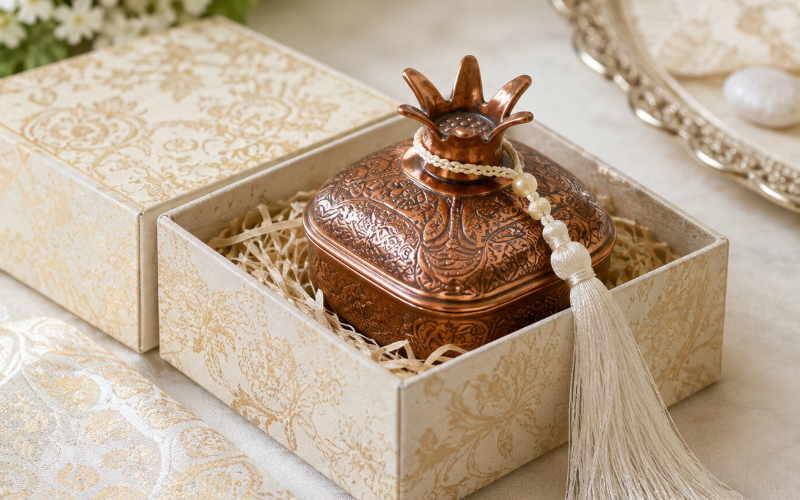
Iranian wedding gift traditions reflect appreciation and support for the newly married couple. Close relatives often give jewelry, gold, money, or meaningful keepsakes, while friends usually choose practical or personalized gifts.
When attending an Iranian wedding, guests should remember to:
Following these simple customs shows respect for Persian culture and hospitality.
Planning an Iranian traditional wedding abroad requires careful coordination. From cultural ceremonies to experienced vendors, every detail should reflect the couple’s traditions while ensuring a smooth celebration.
For couples planning their wedding in Turkey, working with a professional planner can simplify every stage of the process. Experienced planners help coordinate venues, décor, entertainment, catering, guest logistics, and symbolic traditions such as the Sofreh Aghd and the sugar ceremony.
At Wedding in Istanbul, we have experience organizing multicultural celebrations for international couples who want a wedding that respects both tradition and personal style. Whether you envision an intimate gathering or a luxurious celebration, our team helps bring every detail together while allowing you to enjoy the experience with your family and guests.
Sofreh Aghd is the ceremonial table used during an Iranian wedding. It contains symbolic items that represent love, prosperity, health, happiness, and a successful marriage.
Most Iranian weddings last between six and ten hours, although larger celebrations may continue later into the evening with dinner, dancing, and family entertainment.
Yes. Many couples choose Turkey for destination weddings because it offers beautiful venues, excellent hospitality, and experienced planners who understand Persian wedding customs. With the right wedding planning, couples can include traditional ceremonies, cultural décor, and family customs while celebrating in one of Turkey’s most stunning locations.


Leave a Comment