
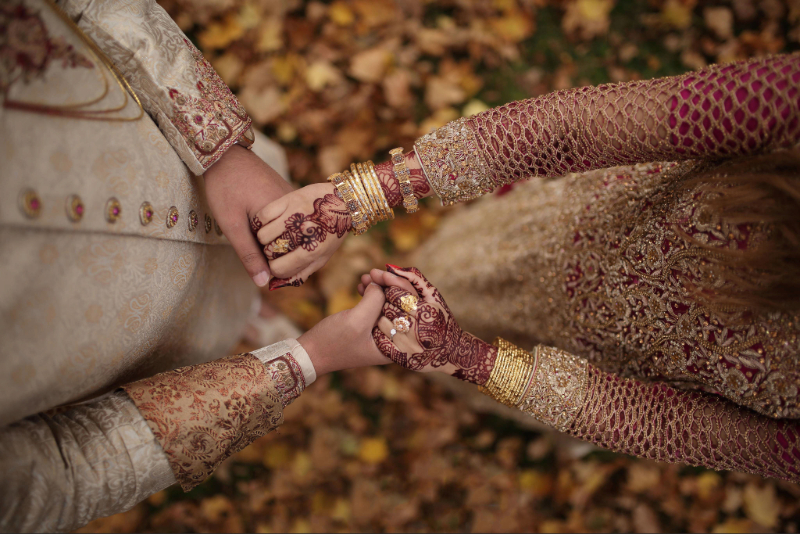
Indian wedding traditions are known for their vibrant celebrations, meaningful rituals, and strong family values. While every region and community has its own customs, most weddings combine religious ceremonies with joyful gatherings that bring families together. From colorful pre-wedding events to symbolic marriage rituals, every tradition has a special purpose.
Whether you are attending your first Indian celebration or wedding planning one yourself, understanding these customs will help you appreciate the beauty behind an Indian wedding. Many modern couples also blend traditional practices with contemporary celebrations, creating weddings that reflect both heritage and personal style.
Many Indian wedding traditions begin several days before the wedding ceremony. Rather than a single event, the celebration often includes multiple ceremonies where family members and friends actively participate.
Some of the most well-known Indian wedding ceremony traditions include:
These ceremonies reflect the importance of family, blessings, and lifelong commitment, making every Indian tradition in marriage unique.
The days before the wedding are filled with excitement and celebration. These events allow both families to gather before the official ceremony.
Popular pre-wedding traditions include:
These traditions also highlight many Indian bride traditions, bringing relatives and friends together before the wedding day.
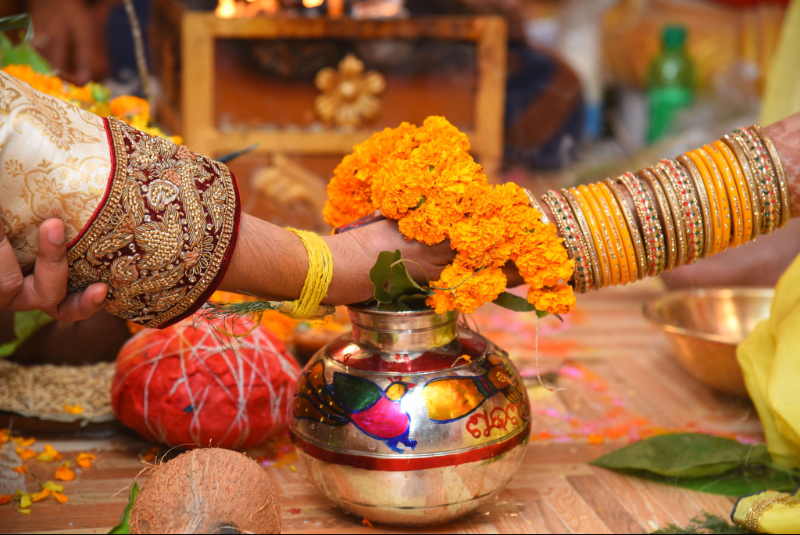
The wedding day begins with the Baraat, where the groom arrives with music, dancing, and family members. The ceremony then takes place inside the Mandap, a beautifully decorated structure where the couple exchanges vows.
One of the most meaningful Hindu marriage traditions is the Pheras, during which the bride and groom walk around the sacred fire while making promises to one another.
Although both ceremonies celebrate marriage and family, their religious customs are different. Understanding these traditions helps guests appreciate the meaning behind each ceremony.
Hindu wedding traditions are centered around sacred rituals performed before a holy fire. Many hindu bride traditions focus on blessings, commitment, and respect between the couple and their families.
Common elements include:
These hindu marriage traditions have been followed for generations and continue to play an important role in modern weddings.
A Sikh wedding follows the Anand Karaj ceremony, which usually takes place in a Gurdwara. Instead of walking around a sacred fire, the couple walks around the Guru Granth Sahib while hymns are recited.
Although the ceremonies differ, both Hindu and Sikh weddings emphasize love, respect, family, and lifelong commitment.
Choosing what to wear to an Indian wedding depends on the ceremony, venue, and cultural traditions. Bright colors, elegant fabrics, and modest clothing are generally preferred, while white and black may be avoided in some families.
Women often choose Indian dresses for a wedding, such as sarees, lehengas, or anarkali gowns. Men typically wear sherwanis, kurtas, or tailored suits. Modern celebrations also welcome stylish Indian outfits for a wedding that combine traditional details with contemporary fashion.
A traditional Indian wedding dress reflects regional heritage and family traditions. Brides usually wear richly embroidered lehengas or sarees in shades of red, maroon, or gold, while grooms often choose embroidered sherwanis with matching accessories.
Many Indian bride traditions include symbolic jewelry, decorative headpieces, and family heirlooms that complete the bridal look. These details make every wedding outfit unique while honoring generations of tradition.
Selecting the right venue is one of the most important parts of wedding planning. Popular Indian wedding venues should offer enough space for multiple ceremonies, dining, music, and dancing.
When comparing wedding venues for Indian weddings, consider:
Beautiful décor creates the atmosphere for every celebration. Many couples combine flowers, candles, and colorful fabrics with traditional Indian wedding decoration ideas that reflect their cultural background.
Popular decorative elements include:
Traditional Indian wedding table decorations with candles, flowers, and personalized details.

Music and dancing bring energy to every celebration. An Indian wedding dance often includes choreographed family performances, Bollywood-inspired routines, and traditional cultural dances that encourage everyone to join the celebration.
Many couples also choose one of the best Indian wedding first dance songs to create a memorable moment before inviting guests onto the dance floor.
Many Indian wedding traditions extend over several days because each ceremony celebrates a different stage of the couple’s journey. Rather than focusing only on the marriage ceremony, families gather to strengthen relationships, honor traditions, and celebrate together before and after the wedding.
Planning an Indian wedding requires careful coordination, especially when several ceremonies, cultural traditions, and large guest lists are involved. A professional planner helps organize venues, décor, entertainment, catering, and timelines while ensuring every important tradition is respected.
For couples dreaming of celebrating in Turkey, Wedding in Istanbul offers experience in planning multicultural weddings with elegant venues and personalized services. From coordinating ceremonies to managing guest logistics, our team helps create celebrations that honor Indian traditions while making the planning process smooth and enjoyable.
Most traditional Indian weddings last between two and five days, although some celebrations may continue for an entire week depending on family traditions and regional customs.
The main difference is the religious ceremony. Hindu wedding traditions include rituals around a sacred fire, while Sikh weddings follow the Anand Karaj ceremony held in a Gurdwara around the Guru Granth Sahib.
Yes. Turkey has become a popular destination for Indian weddings thanks to its luxury venues, experienced planners, and breathtaking locations. Couples can successfully include traditional ceremonies, cultural décor, and family customs while enjoying a memorable destination wedding experience.
Leave a Comment